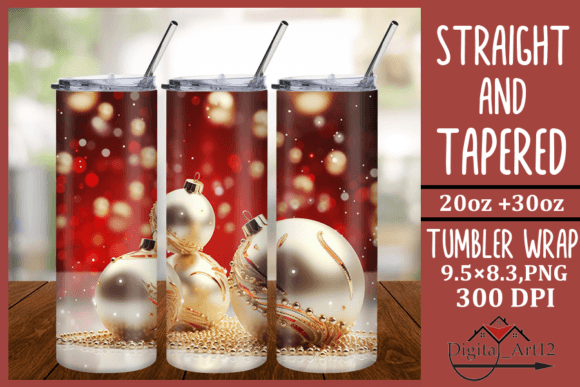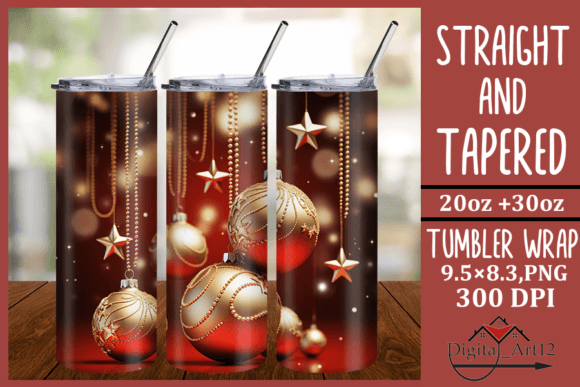
3D Christmas Ornaments 20 Oz Skinny Tumb
When I first opened the file for 3D Christmas Ornaments 20 Oz Skinny Tumb, my initial reaction wasn't just about the festive theme, but about how it translates from a digital screen to actual thread. As someone who has reviewed countless embroidery files for client projects and personal craft businesses, I know that the difference between a design that looks great in a preview and one that stitches beautifully is often in the details. This illustration falls into the holiday category, but its specific application seems tailored for those of us looking to add a touch of whimsy to custom apparel or boutique merchandise.
The mood this design creates is immediately warm and nostalgic. It evokes the feeling of opening a vintage ornament box, filled with intricate glass baubles and shimmering decorations. The visual personality is playful yet detailed enough to hold attention. For an embroidery designer, the first question is always: does this translate well to stitch? In the case of 3D Christmas Ornaments 20 Oz Skinny Tumb, the answer leans heavily toward yes, provided you understand the fabric landscape you are working on. It feels like a design that belongs on a high-quality sweatshirt, a sturdy tote bag, or perhaps a soft baby onesie where the texture of the fabric enhances the depth of the stitches.
Real-World Application: From Screen to Stitch
I recently tested this design concept while preparing a batch of custom embroidered tote bags for a local holiday market. The goal was to create a product that felt handmade and premium, suitable for Etsy listings or small shop merchandise. When I placed the 3D Christmas Ornaments 20 Oz Skinny Tumb file onto the canvas, I noticed how the layout naturally draws the eye. The arrangement of the ornaments suggests a hanging cluster, which works exceptionally well on the front panel of a tote bag or the chest area of a sweatshirt.
The stitching clarity is crucial here. If the stitch density is too high, the fabric might pucker, ruining the crisp look of the finished product. However, if executed correctly, the combination of satin stitch for outlines and fill stitch for the body of the ornaments creates a rich, textured surface. Imagine the contrast of shiny metallic threads against a matte dark fabric; the design pops without being overwhelming. This is exactly the kind of detail that drives customer trust and engagement. Buyers can see the effort and quality in the finished piece, making them more willing to pay a premium price for a handmade product.
But let's talk about versatility. While I focused on tote bags, this embroidery project has broader potential. It could be adapted for holiday embroidery on kitchen towels, adding a festive touch to a gift set. It would also work beautifully as a decorative accent on a pillow cover or even a patch for a denim jacket. The key is understanding the medium. On a tea towel, the design might need slight scaling to ensure the details don't get lost in the weave. On a sweatshirt, the bulk of the embroidery adds a cozy, tactile element that customers love.
Navigating Fabric and Hoop Challenges
No design is perfect for every situation, and 3D Christmas Ornaments 20 Oz Skinny Tumb is no exception. There are specific scenarios where caution is required. For instance, using this design on thin or stretchy fabrics requires careful selection of stabilizer. Without proper support, the tension of the running stitch or satin stitch could distort the garment, leading to a wavy, unprofessional finish. If you are working with a delicate fabric like silk or a lightweight jersey, I strongly recommend testing on scrap fabric first to determine the right stabilizer weight.
Texture is another factor to consider. While textured fabrics like fleece or bouclé can add character, they can sometimes hide the finer details of an illustration design. If the fabric is too rough, the intricate lines of the ornaments might blur together. Similarly, on dark fabrics, the thread color contrast becomes critical. You must ensure that the chosen thread colors provide enough visibility so the design doesn't disappear into the background. A light-colored ornament on a black shirt might require a lighter underlay or a specific thread type to maintain brightness.
Curved surfaces, such as caps or hats, present their own set of challenges. The curvature can alter the perception of the design's proportions. What looks balanced on a flat hoop might appear stretched or compressed when stitched onto a curved brim. For custom apparel like caps, it is often safer to use designs with simpler geometries unless you have extensive experience with curved embroidery techniques. Additionally, small hoop sizes limit the amount of detail that can be rendered effectively. If the hoop size is too small, the tiny details of the ornaments may become indistinguishable blobs of thread.
Design Value and Commercial Viability
For those selling finished goods, the visual appeal of the design directly impacts perceived value. A well-executed embroidered patch or tote bag design featuring 3D Christmas Ornaments 20 Oz Skinny Tumb signals professionalism. It shows that the maker cares about the final aesthetic, not just the speed of production. This attention to detail fosters brand consistency and makes your products stand out in a crowded marketplace like Etsy or craft fairs.
However, before you start mass-producing items, there are practical steps to take. Always review the stitch density in your digitizing software. High density can lead to long machine run times and potential needle breakage, especially on dense areas of the design. Check whether the design includes necessary digital embroidery file formats compatible with your machine. Also, verify the licensing terms if you plan to sell the finished items commercially. Some design assets are intended for personal use only, and violating these terms can lead to legal issues.
Testing is non-negotiable. Run a mockup in black and white to check the composition without the distraction of color. Compare the design on both light and dark backgrounds to ensure versatility. Inspect small details closely; sometimes what looks fine on a screen reveals jagged edges or gaps when stitched at full scale. If the design is meant for baby embroidery, ensure the back of the stitching is clean and free of excessive loose threads that could irritate sensitive skin.
Final Thoughts on Practical Use
3D Christmas Ornaments 20 Oz Skinny Tumb is a versatile addition to any embroidery library, particularly for those focusing on seasonal collections. Its strength lies in its ability to convey a festive mood while maintaining enough structural integrity to stitch cleanly on various materials. Whether you are creating personalized gifts, expanding your craft business inventory, or simply making something special for your home, this design offers a solid foundation.
Remember that the success of an embroidery project often depends on the preparation as much as the design itself. By paying attention to fabric choice, stabilizer usage, and thread selection, you can maximize the impact of this illustration. It is a tool that, when used wisely, can elevate your finished product from a simple craft item to a cherished keepsake. So, grab your hoop, select your best threads, and let your creativity flow with this charming holiday design.