Animals with Christmas Lights Clipart Review
As a designer who has spent years turning digital files into tangible, stitched treasures, I approach every new asset with a mix of excitement and skepticism. When I first opened the file for Animals with Christmas Lights Clipart, I didn't just see cute graphics; I saw potential revenue streams for my Etsy shop and holiday gifts for my family. The concept is simple yet effective: combining the cozy warmth of festive lights with the universal appeal of animals. But in the world of machine embroidery, concepts are easy to sketch on paper and difficult to execute on fabric. This review breaks down exactly how this design performs when moved from the screen to the hoop.
The First Stitch: Visual Personality and Mood
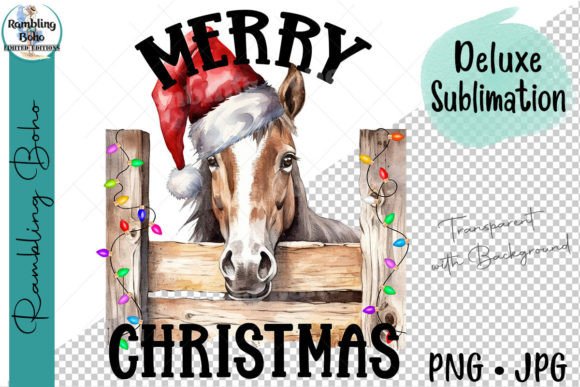
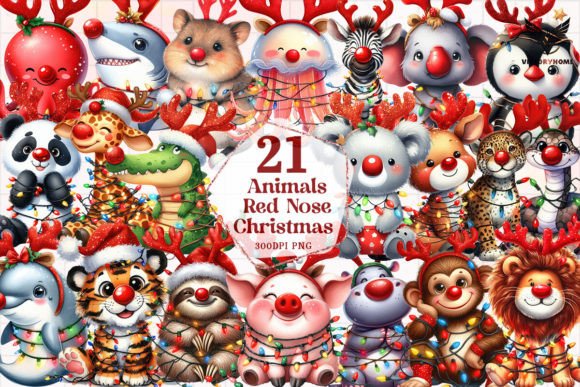
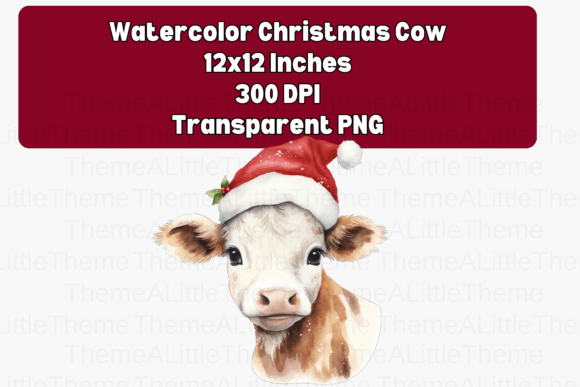
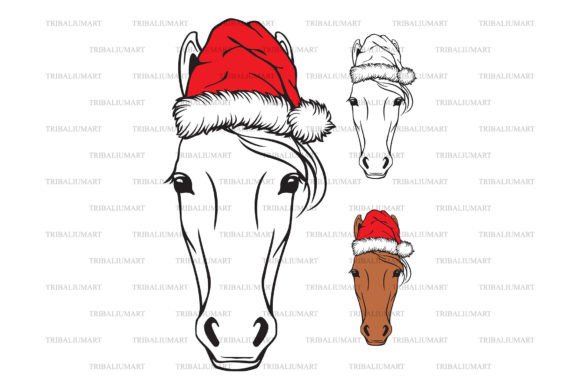
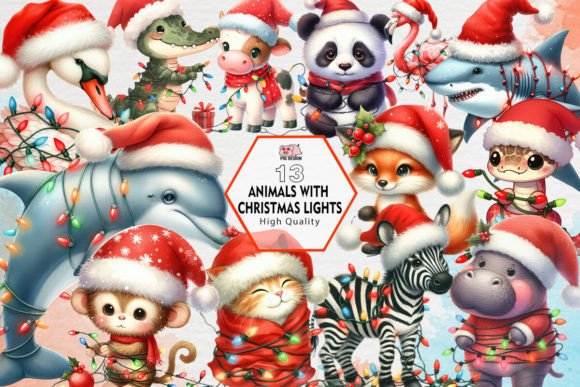
The immediate impression of Animals with Christmas Lights Clipart is one of whimsical comfort. Unlike rigid corporate logos or overly complex artistic renderings, this illustration feels approachable. The layout suggests a design that balances detail with readability, which is the holy grail of embroidery. In my experience, the difference between a $50 boutique pillow and a cheap-looking souvenir often comes down to how well the design handles its own personality. Here, the playful nature of the animals paired with the glowing aesthetic of the lights creates a mood that screams "holiday home." It doesn't feel like a forced marketing gimmick; it feels like a genuine celebration of the season. For a small business owner looking to add seasonal flair without cluttering their brand identity, this visual tone hits the right note.
Real-World Application: From Screen to Sweatshirt
To truly test the viability of this design, I imagined placing it on a custom embroidered tote bag for a local craft fair. The scenario was specific: a customer wanted a personalized gift for a teacher, featuring her favorite cat wrapped in string lights. How would Animals with Christmas Lights Clipart hold up? The answer lies in the balance of stitch types. A successful machine embroidery design needs a mix of satin stitches for outlines and fill stitches for the body of the animal to create texture. If the design relies too heavily on tiny details, the threads will merge on the fabric, losing definition. Fortunately, the structure of this clipart appears robust enough to handle the translation from vector to thread.
I also considered using this design for baby clothing, such as a onesie or a soft blanket. The gentle curves of the animals work beautifully on the smaller canvas of a baby garment. However, the placement matters immensely. On a sweatshirt, the design acts as a bold statement piece, perfect for a front chest logo or a large back print. On a cap, the curved surface presents a challenge. While the design is likely scalable, the distortion required to fit a rounded brim can sometimes stretch the delicate lines of the lights. It is crucial to visualize how the embroidery file interacts with the fabric's grain before committing to a production run.
Navigating Technical Challenges
No design is perfect for every situation, and knowing where to exercise caution is what separates a hobbyist from a professional. There are specific scenarios where Animals with Christmas Lights Clipart might struggle. For instance, attempting this design on a very small hoop size could result in lost details. If the original illustration contains intricate patterns within the fur or the individual bulbs of the lights, shrinking them down may cause the stitching to become dense and stiff. This stiffness can lead to puckering, ruining the drape of the fabric.
Furthermore, the choice of fabric plays a critical role. Embroidering on dark fabric requires a different thread strategy than light fabric. The contrast provided by the lights in the design is key to its charm. If you use standard white thread on a black background without proper underlay, the lights might disappear into the darkness. Conversely, on thin or stretchy fabrics like jersey knit, the density of the design could cause the material to warp. In these cases, using the correct stabilizer is non-negotiable. You must ensure the stabilizer matches the weight of the fabric to support the design without adding unnecessary bulk. Additionally, if you plan to wash the finished product frequently, such as an apron or a kitchen towel, you need to verify that the stitch density is high enough to withstand abrasion but not so high that it tears the fibers over time.
Strategic Use Cases for Small Business Owners
- Holiday Gifts: This design is ideal for personalized ornaments, stockings, or holiday cards with a tactile element. The emotional connection to the holidays makes it a high-value item for customers.
- Boutique Branding: Small shops can use this as a signature element on packaging tags or loyalty cards to build brand recognition during the peak season.
- Custom Apparel: Perfect for creating limited edition t-shirts, hoodies, or pajama sets that capture the festive spirit without being overwhelming.
- Digital Assets: If you sell printable mockups, this design serves as a great example of how a digital embroidery file can elevate a product listing.
Designer Notes for Professional Results
Before you rush to your machine, there are several practical steps to ensure success. First and foremost, always test the design on scrap fabric. This allows you to check the thread color contrast and inspect the stitch density. Do the colors pop against the background? Does the design look muddy or crisp? Testing in black and white mockups can also reveal issues with contrast that color might hide.
Review the hoop size requirements carefully. Ensure your machine can accommodate the dimensions of the design without cropping out essential elements. If the design includes layered garments or complex textures, double-check the file settings. Are the satin stitch edges sharp? Is the fill stitch direction logical for the fabric grain? These technical details define the quality of the finished product.
Finally, consider the licensing terms. Whether you are creating a personalized gift for a friend or selling a batch of items on Etsy, you must confirm whether the license allows for commercial use. Many designers offer different tiers for personal vs. commercial projects. Ignoring this step can lead to legal issues and damage your reputation as a trustworthy seller. Also, compare the design against other assets to ensure it fits your existing style guide. Consistency builds trust with buyers who return for more handmade products.
Final Verdict on Visual Appeal and Value
In conclusion, Animals with Christmas Lights Clipart offers a charming and versatile option for anyone looking to expand their collection of design assets. Its ability to convey warmth and festivity makes it a strong candidate for holiday-themed projects. While it requires careful consideration regarding fabric type, hoop size, and stabilization, the potential reward is a high-quality embroidered patch, tote bag, or apparel item that customers will cherish. By approaching this design with a critical eye and following best practices for commercial embroidery, you can transform a simple illustration into a profitable and beautiful reality. For the creative entrepreneur, the value lies not just in the image itself, but in the thoughtful execution that brings it to life.