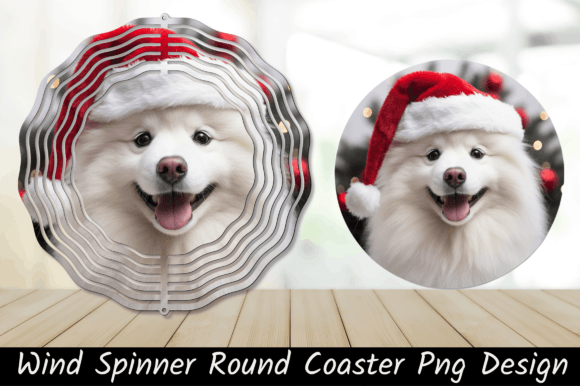
Christmas Japanese Dog Wind Spinner Illustrations
When I first opened the file for the Christmas Japanese Dog Wind Spinner, my initial reaction was a distinct sense of warmth and whimsy. As a brand designer who has spent years helping local businesses define their visual voice, I immediately recognized the potential this asset holds for creating an emotional connection with customers. It is not merely a clipart image; it is a narrative element that suggests a brand personality which is friendly, festive, and deeply rooted in tradition yet playful. The mood created by this piece is undeniably cozy, evoking the feeling of a winter stroll through a quiet, snow-dusted village. For a small business owner looking to stand out on a crowded shelf or in a digital feed, this illustration offers a premium, handmade aesthetic that feels organic rather than mass-produced.
This graphic design asset is particularly compelling for brands that want to communicate approachability and joy. Whether you are running a boutique bakery, a specialty coffee shop, or a handmade soap business, the Christmas Japanese Dog Wind Spinner brings a unique character that generic holiday imagery often lacks. It suggests a brand that cares about details and values the charm of the season. In the world of modern design, where consumers are constantly bombarded with sleek, minimalist corporate logos, there is a powerful opportunity to use such decorative illustrations to create a softer, more inviting brand identity. This is exactly the kind of visual hook that can turn a casual browser into a loyal customer.
Transforming Local Business Branding with Seasonal Storytelling
In my recent project for a family-owned candle brand, we needed a visual anchor for their holiday collection. We were searching for something that felt authentic to our local community while celebrating the festive spirit. The Christmas Japanese Dog Wind Spinner became the centerpiece of our packaging strategy. Unlike standard stock photos, this illustration allowed us to craft a cohesive story across all touchpoints. Imagine applying this design to product labels for a line of scented candles; the spinning dog motif adds a dynamic element that catches the eye even when the product is sitting still on a display rack.
The versatility of this asset extends far beyond simple decoration. For food businesses, such as a bakery specializing in seasonal treats, these illustrations can serve as hero graphics on menus or price lists. They work beautifully as decorative elements on hang tags attached to gift boxes, adding a layer of unboxing delight that encourages social sharing. When used correctly, the Christmas Japanese Dog Wind Spinner elevates the perceived value of the product. It signals to the customer that the brand has invested time and creativity into their presentation, which directly translates to improved customer trust and professional branding.
Strategic Applications Across Packaging and Digital Channels
One of the most exciting aspects of using this illustration is its adaptability across various media. For product sellers and marketers, the ability to seamlessly integrate this asset into both physical and digital formats is crucial. On physical packaging, it can act as a focal point on a product label, guiding the consumer's eye to the brand name or key product benefits. It serves as an excellent accent for thank-you cards included in orders, reinforcing the personal touch that defines successful handmade businesses.
In the digital realm, the impact is equally significant. Social media managers will find this asset invaluable for creating engaging campaign visuals. It can be used in website banners to announce a holiday sale, in promotional ads to drive traffic, or as part of a series of editorial designs for blog posts. Because it is available as a high-quality PNG or SVG design, it scales effortlessly from a tiny sticker on a jar to a large banner on a mobile screen. This consistency ensures that your brand identity remains clear and recognizable regardless of where the customer encounters it. Furthermore, for those utilizing Canva templates or other creative marketplaces, this illustration fits perfectly into layouts that require a blend of text and imagery without overwhelming the message.
Where This Design Asset Shines Brightest
To get the most out of the Christmas Japanese Dog Wind Spinner, it is essential to place it in contexts where its decorative nature enhances rather than distracts. It works exceptionally well as a decorative brand element on the back of a business card or as a subtle watermark on digital invoices. For children's product brands or home decor shops, this illustration can be the star of the show, appearing prominently on product mockups to showcase how the item looks in a real-world setting. It is also ideal for seasonal packaging inserts, where it can accompany a handwritten note from the owner, bridging the gap between digital commerce and human connection.
The asset is particularly effective for creating visual hierarchy. By placing the illustration near the headline or the main call-to-action, you can draw attention to the most important information. Whether you are designing flyers, posters, or social media graphics, the whimsical nature of the wind spinner helps break up dense blocks of text, making the content more digestible and engaging. For boutique owners, it adds a touch of elegance and playfulness that aligns perfectly with a curated shopping experience.
Navigating Design Challenges and Best Practices
However, as an experienced designer, I must emphasize that every asset requires strategic placement. There are scenarios where the Christmas Japanese Dog Wind Spinner should be used with caution. For formal corporate branding or luxury minimalist brands that rely on stark simplicity, this illustration might feel too busy or informal. Similarly, on very small labels or in layouts crowded with ingredient-heavy information, the detail of the illustration could become illegible or compete with essential legal text.
If your design already features strong decorative patterns, adding this illustration might create visual noise. In such cases, it is better to use a simplified version or a monochrome adaptation. Additionally, ensure that the background provides sufficient contrast so the design does not get lost. For low-contrast backgrounds, the fine lines of the illustration may disappear, reducing its impact. Always test the asset in black and white first to ensure it retains its form and clarity without relying on color alone.
Essential Technical Checks Before Commercial Use
Before integrating this graphic design asset into a client project or your own small business branding, there are several practical steps to take. First, always review the commercial license to confirm you have the right to use the Christmas Japanese Dog Wind Spinner for physical product sales and marketing materials. Next, inspect the file quality. If you are working with a PNG design, check the transparency edges for any jagged lines or halos. If it is an SVG design, verify that the vector paths are clean and editable, allowing you to resize without losing quality.
I recommend testing the illustration alongside different font styles. Compare it with serif fonts for a classic look, sans serif for a modern feel, and script or handwritten fonts for a personal touch. This helps determine if the illustration supports your intended brand voice. Preview it on actual product mockups to see how it interacts with the material texture. Finally, compare it with competitor packaging to ensure your visual hierarchy stands out. By following these guidelines, you ensure that the Christmas Japanese Dog Wind Spinner serves as a powerful tool for professional branding, enhancing your product recognition and creating a memorable experience for your local customers.