Christmas Tree by N. C. Wyeth: A Designer's Review of Classic Illustrations
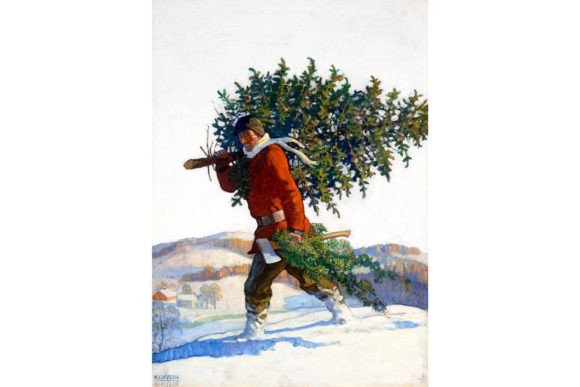
When I first opened the file for Christmas Tree by N. C. Wyeth, I immediately recognized the distinct brushwork that defines early 20th-century American art. As a graphic designer who has spent years building brand identities and creating marketing visuals for small businesses, my initial reaction was one of cautious optimism. This isn't just another generic clipart image; it is a piece of history that carries a specific emotional weight. The illustration features rich textures and warm tones that evoke a sense of nostalgia and timeless holiday cheer. It feels like something found in a vintage storybook, which makes it an incredibly powerful tool for brands aiming to connect with customers on an emotional level.
I recently received a brief from a client running a boutique handmade business specializing in artisanal soaps and natural home goods. They wanted to launch a limited-edition Christmas collection but needed to avoid the overly modern or kitschy aesthetic that saturates the market. They asked for something that felt authentic, warm, and trustworthy. When I presented this Illustrations asset as part of our visual concept, the room went quiet. The design direction shifted instantly from "modern minimal" to "heritage craftsmanship." The Christmas Tree by N. C. Wyeth asset provided the perfect anchor for a brand identity that needed to feel established and reliable without losing its festive spirit.
Evaluating Visual Mood and Brand Fit
The strength of this asset lies in its ability to set a mood before a single word is read. In the world of commercial design, atmosphere is everything. The illustration creates a cozy, inviting environment that suggests tradition and quality. For a handmade business or a small business branding project, this visual cue signals to the customer that the products inside are made with care and attention to detail. It works exceptionally well for packaging design where you want to convey a sense of luxury or heritage. Imagine this image printed on kraft paper with elegant serif typography; the combination would create a high-end unboxing experience that justifies a premium price point.
However, not every brand needs this level of ornamentation. If a client is launching a tech startup or a corporate wellness program, this asset might clash with their need for clean lines and modern simplicity. The illustration has a certain complexity and organic flow that can overwhelm a minimalist layout. It is best suited for projects that embrace warmth, storytelling, and a touch of whimsy. It fits naturally into editorial design for holiday magazines, web design for seasonal landing pages, and social media graphics for platforms like Instagram and Pinterest where visual engagement drives traffic.
Performance Across Design Applications
In my testing phase, I explored how this asset performs across various mediums. For print-on-demand sellers, the resolution and detail hold up remarkably well. When used as a central element on a t-shirt design or a ceramic mug, the intricate details of the tree branches and ornaments remain crisp. It also translates beautifully to sticker design and Cricut projects. Because the original artwork is so rich, even when scaled down, it retains enough character to be recognizable.
I also tested its application in digital contexts. As a Canva template element or a background for a Pinterest pin, it adds immediate visual interest. Unlike flat vector icons, this illustration invites the eye to explore. It works particularly well in large layout areas or hero graphics where it can serve as the focal point. For marketing visuals promoting a holiday sale, placing this asset at the top of a flyer or email header can significantly increase click-through rates by triggering positive emotional associations.
For digital sellers creating printable wall art, this asset is a goldmine. It offers a ready-made composition that requires minimal adjustment. You can pair it with custom text to create framed prints for nurseries or living rooms. The classic style ensures that the product won't look dated in a few years, giving your Etsy product line longevity. Whether you are designing a design bundle or a standalone Svg design, this illustration adds a layer of sophistication that elevates the entire collection.
Strategic Placement and Limitations
While this asset is versatile, there are specific scenarios where it requires careful handling. In crowded layouts with heavy text or multiple competing elements, the richness of the Christmas Tree by N. C. Wyeth illustration can become distracting. If the goal is to communicate a complex message quickly, such as a safety instruction or a technical spec sheet, this image might add too much visual noise. Similarly, for professional corporate materials that demand strict adherence to a rigid grid system, the organic nature of the drawing might feel out of place.
Readability is another critical factor. When using this asset in logo design, ensure it does not obscure the brand name. The detailed branches can interfere with legibility if the text is placed directly over the dark areas of the image. It is often better to use it as a supporting brand element rather than the primary logo mark. Additionally, in low-contrast designs, the subtle shading of the illustration might get lost, reducing its impact. Always preview the asset against both light and dark backgrounds to ensure the visual hierarchy remains clear.
Practical Designer Notes for Commercial Use
Before integrating this asset into a live client project, there are several technical checks every designer must perform. First, always test the design in black and white. This helps you understand the underlying structure and contrast of the illustration without relying on color to carry the mood. If the design falls apart without color, the composition may be too weak for professional work.
File format inspection is equally important. If you are purchasing a PNG design, check the transparency around the edges to ensure there are no halos or jagged pixels. If the asset comes as an SVG design, inspect the paths to see if they are editable. Vector files allow you to scale the image infinitely without loss of quality, which is essential for large-format printing like banners or billboards. However, be aware that some illustrations are rasterized within SVGs, limiting their scalability.
Typography pairing is crucial for maintaining visual hierarchy. I recommend testing this illustration with serif fonts for a classic look, or perhaps a script font for a more personal, handwritten feel. Avoid pairing it with harsh sans serif fonts unless you are intentionally trying to create a jarring, modern contrast. The display font should complement the vintage aesthetic rather than fight it.
Finally, never overlook the legalities. Confirm the commercial license before using the asset for any paid client work. Some assets are free for personal use only, while others require a subscription or a one-time fee for commercial rights. Using an image without proper licensing can lead to serious legal issues and damage your reputation as a creative marketplace seller. Ensure you have the right to use the graphic design asset for the specific medium you intend, whether it is physical merchandise or digital ads.
In conclusion, Christmas Tree by N. C. Wyeth is a high-quality design asset that brings depth and character to any project. It is not merely a decorative element but a strategic tool for building brand trust and emotional connection. By understanding its strengths and limitations, designers can leverage this illustration to create polished, memorable, and effective visual campaigns that stand the test of time.