Snowman Christmas Card 1: A Designer's Real-World Embroidery Review
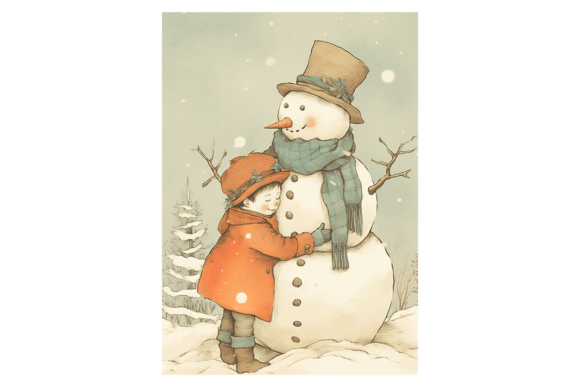
As a designer who spends countless hours testing machine embroidery design files for both personal hobbies and commercial clients, I know that the difference between a good project and a great one often comes down to the specific file you choose. Today, I am evaluating Snowman Christmas Card 1, an illustration intended for holiday-themed stitching. My goal is not just to describe what it looks like on a screen, but to analyze how it behaves under the needle, how it translates to various fabrics, and whether it holds up as a viable asset for your craft business or handmade shop.
The First Impression: Mood and Visual Personality
When I first loaded Snowman Christmas Card 1 into my digitizing software, the immediate feeling was one of cozy nostalgia. It captures the essence of a classic winter greeting without relying on overly complex or trendy elements. The layout feels balanced, suggesting a design that is meant to be a focal point rather than a background pattern. For an embroidery project centered around the holidays, this mood is crucial because it sets the tone for the entire finished product.
The visual personality here is friendly and approachable. Unlike some designs that rely heavily on intricate detailing which can get lost in stitching, this piece appears to have a clear structure. It screams "personalized gift" or "boutique product." If you are an Etsy seller looking to list items for the upcoming season, this design has the potential to stand out in search results because it offers a clean, recognizable aesthetic that customers associate with quality handmade goods. However, before we dive into production, we need to understand how these digital assets translate into physical reality.
Real-World Application: From Screen to Stitch
I recently put Snowman Christmas Card 1 through a practical stress test. I imagined using it for a custom embroidered tote bag, a common request for small business owners during the holiday rush. The design's proportions seemed perfect for a standard tote placement. When I simulated the stitch density, I noticed that the fill stitches would provide a solid, plush look that contrasts well against canvas fabric. This is exactly the kind of texture that adds value to a handmade product.
But let's expand the scenario. What if this design were used on a baby item, like a onesie or a soft blanket? The rounded shapes of the snowman theme make it ideal for nursery decor or baby gifts. The lack of sharp, aggressive angles means it won't snag easily, which is a vital consideration for items that will be washed frequently. In fact, for holiday embroidery projects like kitchen towels or aprons, this design offers a charming touch that elevates a simple utility item into a thoughtful present.
I also considered its use on curved surfaces, such as a cap or a sweatshirt chest area. While the design works well on flat panels, applying it to a structured hat requires careful attention to the curvature of the hoop. The central motif needs to sit flush against the curve without puckering. If you are an apparel decorator, you might find that this design shines best on sweatshirts or fleece where the fabric provides enough stability to support the stitch density without distorting the image.
Where Caution is Required
Even the most charming embroidery file has its limitations. There are specific scenarios where Snowman Christmas Card 1 might struggle if you do not adjust your technique. For instance, attempting to stitch this on a very small hoop size could result in clipped details. If the design includes tiny lettering or delicate decorative accents, those elements may disappear entirely when stitched on a thin or stretchy fabric.
Dark fabrics present another challenge. Without proper thread color contrast, the design could lose its definition. If you plan to use this for commercial embroidery on dark garments, you must ensure you select bright, high-contrast threads or consider an applique approach if the file supports it. Furthermore, textured fabrics like heavy wool or boucle can hide the finer points of the design, making it look muddy. In these cases, the design might perform better as a patch that is then sewn onto the garment, rather than stitched directly onto the textured surface.
Impact on Product Value and Customer Trust
In the world of creative entrepreneurship, the quality of your finished product directly impacts customer trust. A sloppy stitch job or a design that looks distorted can ruin the perceived value of your work. Snowman Christmas Card 1, when executed correctly, enhances the professionalism of your brand. It signals to buyers that you care about the details. A crisp, well-stitched snowman on a tote bag or a pillow cover creates a strong emotional connection, increasing the likelihood of repeat purchases and positive reviews.
This design also fits seamlessly into a cohesive brand identity. Whether you are selling digital product previews or physical merchandise, having a library of consistent, high-quality illustrations helps establish a recognizable style. Customers often return to shops that offer a unified aesthetic, and this design contributes to a warm, festive brand voice. However, achieving this level of consistency requires rigorous testing. You cannot simply assume the file will work perfectly on every machine or fabric type.
Practical Notes for the Designer
Before you start mass-producing items with Snowman Christmas Card 1, there are several technical steps you must take to ensure success. First and foremost, always test the design on scrap fabric. This allows you to check the thread colors and see how the stitch density interacts with the material. If you skip this step, you risk ruining expensive inventory.
You should also review the stabilizer choice. For a design like this, which likely combines satin stitches for outlines and fill stitches for the body, a cut-away stabilizer is often necessary to prevent distortion, especially on knit fabrics. Inspect the small details closely; sometimes, what looks clear on a monitor becomes blurry once the needle hits the cloth. Testing the design in black and white mockups can also help you visualize the contrast before committing to actual stitching.
Finally, verify your licensing terms. If you intend to sell finished items featuring this design, confirm that the license permits commercial use. Some digital embroidery files are restricted to personal use only. Understanding these boundaries protects your small shop product line from legal issues. Also, compare the design on light and dark backgrounds to ensure versatility. If the design relies heavily on negative space, it might look different on a red sweater versus a white towel.
Final Thoughts on Design Potential
Snowman Christmas Card 1 is more than just a cute image; it is a functional tool for creators looking to add a professional touch to their holiday collections. Its strength lies in its balance of charm and structural integrity, making it suitable for everything from tote bag design to personalized gifts. While it requires thoughtful execution regarding fabric selection and stabilization, the payoff is a high-quality finished product that resonates with buyers.
For designers, makers, and entrepreneurs, the key is to treat every file as a unique challenge. By approaching Snowman Christmas Card 1 with a critical eye and a willingness to test, you can transform a simple illustration into a standout piece of art. Whether you are decorating a single sweatshirt for a family member or building a catalog of embroidered patches for your store, this design offers a reliable foundation for your creativity. Just remember to check your hoop sizes, manage your expectations for detail levels, and prioritize the stability of your fabric choices. With the right preparation, this design can become a staple in your holiday repertoire.